
Your electrical panel is the box, usually in the basement, garage or a utility closet, that sends power to every circuit in your home. Most people never think about it until something goes wrong. Many homes in Catonsville, Baltimore County and Howard County were built long before electric cars, home offices and today’s kitchen appliances, so the panel may be working harder than it was ever designed to.
Maryland Home Improvement Company is owned by John Palmer, a Maryland Master Electrician (#12441). We’ve been doing electrical work for local homeowners since 2000. Here are the signs that it may be time to have your panel looked at.
Safety first: if you ever see sparks, smoke or scorch marks, smell burning, or your panel is hot to the touch, stop using the affected circuits and call an electrician right away. If you think there’s an immediate fire risk, call 911.
1. Breakers Trip Often
A breaker that trips once in a while when you run the microwave and the toaster together is doing its job. But if breakers trip regularly, even with normal use, your circuits may be overloaded, or there may be a problem with the wiring or the breaker itself. Repeatedly resetting a breaker isn’t a fix. It’s a warning sign.
2. Lights Flicker or Dim
If your lights dim when the air conditioner, dryer or another large appliance kicks on, or flicker for no clear reason, the panel may be struggling to keep up with demand. Flickering can also point to loose connections, which should be checked by an electrician.
3. The Panel Is Warm, Buzzing or Smells Odd
A panel should not feel warm, buzz or crackle, or smell like burning plastic. Any of these can mean a loose connection, a failing breaker or overheating. Don’t wait on this one. Have it inspected.
4. You Still Have Fuses
Some older homes still have a fuse box instead of circuit breakers. Fuses can work, but older fuse systems often weren’t designed for modern electrical loads. Many insurers and home inspectors flag them too. If you’re still swapping fuses, it’s worth talking to an electrician about an upgrade.
5. Your Panel Is Old or Has a Questionable History
Panels don’t last forever. Breakers wear out, and some older panel brands have a reputation among electricians and home inspectors for problems. If your home inspection report mentioned your panel, or you don’t know how old it is, have a licensed electrician take a look.
6. You’re Running Out of Space for Breakers
If there’s no room left in your panel for new circuits, or you see “tandem” breakers squeezed in to make room, your panel may be at capacity. This often comes up when homeowners want to add something new.
7. You’re Adding Big New Loads
Some projects add a lot of electrical demand at once:
- An EV charger in the garage or driveway
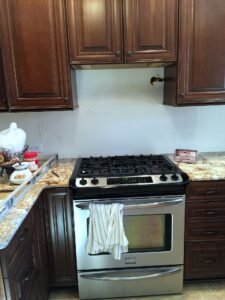
- A kitchen remodel with new appliances and lighting
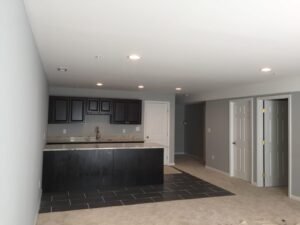
- A finished basement with new rooms, lighting and outlets
- Central air, a heat pump or electric heat
- A hot tub, a workshop or a home office full of equipment
- A battery backup system
Before adding any of these, it’s smart to check whether your panel and electrical service can handle the extra load. Sometimes it can. Sometimes a panel or service upgrade is needed first.
8. You Rely on Extension Cords and Power Strips
If extension cords and power strips are a permanent part of your home, you probably don’t have enough circuits or outlets where you need them. That’s a sign your electrical system hasn’t kept up with how you live.
9. Two-Prong Outlets and No GFCI Protection
Ungrounded two-prong outlets, or no GFCI (ground-fault) outlets in kitchens, bathrooms, basements, garages and outdoors, are signs of an older electrical system. These don’t always mean the panel itself needs replacing, but they’re a good reason to have the whole system evaluated.
What a Panel Upgrade Involves
A panel upgrade usually means replacing the old panel with a new one, and sometimes increasing the electrical service coming into your home. This work requires an electrical permit and an inspection. It may also involve coordinating with the utility company. We pull the required permits for your project and handle the inspection. Not every problem needs a whole new panel. Sometimes the fix is a new breaker, a repaired connection or an added circuit. We’ll tell you honestly which one you need.
Why Hire a Master Electrician
Panel work is dangerous and isn’t a DIY job. In Maryland, electrical work must be done by a licensed electrician. Our owner holds a Maryland Master Electrician license (#12441), and we’re also a licensed Maryland home improvement contractor (MHIC #77900). That means we can handle the panel upgrade and the remodel that goes with it.
Think Your Panel Needs a Look?
Learn more about our electrical services, or request a quote and send us a photo of your panel and its label. You can also call or text (410) 719-9600. We serve Catonsville, Baltimore County and Howard County.